Source Modular Wooden Frame Sofa for Living Rooms, Offices, and Lounges
Explore 30 listings of modular wooden frame sofa options featuring synthetic leather, fabric, and wood handrails. Buyers can compare specifications like seat width, fire retardant standards, and packaging details to find suitable furniture for various settings.
Key considerations
Products List


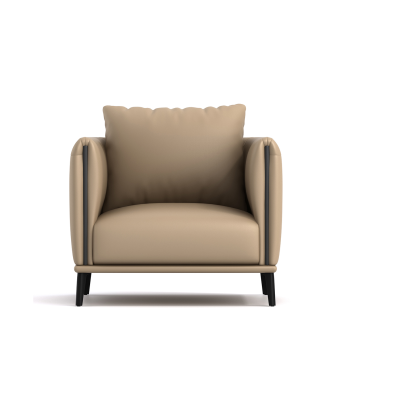


Home Villa Living Room Hotel Modern Fabric Wood Frame Modular Sectional Sofa
$1080.00 - $1295.00
Moq: 10


Comprehensive Sourcing Guide
Strategic Sourcing Guide for Modular Wooden Frame Sofas
Understanding Technical Specifications and Structural Integrity
When sourcing modular wooden frame sofas, the primary objective is to verify that the structural components meet the rigorous demands of commercial and residential use. The core of any reliable sofa lies in its frame construction. Based on available market data, a critical observation is the prevalence of metal frames utilized in conjunction with specific fire retardant standards. Buyers must distinguish between wooden frame assertions and the actual observed specifications where "ISO Frame Material: Metal" is explicitly noted. This indicates that while the product category is often marketed as wooden frame, the structural integrity in many high-volume listings relies on metal sub-frames to ensure durability.
The seating dimensions are equally vital for operational planning. Observed specifications reveal a seat width of 77cm, which serves as a baseline for standard seating capacity. However, modular configurations often vary in overall footprint. Product dimensions observed in the market range significantly, from compact units measuring approximately 95cm in width to larger sectional arrangements reaching 265cm in length. The height of the backrest is another defining characteristic; the "Medium Back" attribute is a common specification, offering a balance between lumbar support and visual openness.
Material composition plays a decisive role in the tactile experience and longevity of the furniture. The market data highlights a dichotomy in upholstery materials. Some units are constructed with synthetic leather, offering a sleek, easy-to-clean surface suitable for high-traffic environments. Others utilize fabric options, specifically noting "Plush" and "Linen" textures. The choice between synthetic leather and fabric often dictates the maintenance protocol and the aesthetic direction of the procurement. Additionally, the padding material is consistently identified as sponge, which provides the necessary cushioning for comfort. The presence of armrests is a standard feature, and the legs are frequently designed with "Mute" characteristics to prevent floor damage and reduce noise during movement.
Compliance Verification and Certification Protocols
In the B2B procurement of furniture, compliance is not merely a formality but a risk mitigation strategy. The supply chain for modular sofas is heavily influenced by safety standards, particularly regarding fire safety. The provided data explicitly references "ISO" standards in the context of fire retardancy. While the specific ISO number is not universally defined in the general listings, the presence of this standard indicates that the products are subject to international fire safety testing protocols. Buyers must verify that the specific batch they intend to purchase carries valid documentation proving compliance with the stated ISO Fire Retardant Standard.
Another critical certification observed is the EPA (Environmental Protection Agency) certification. This suggests that the materials used, particularly the foams and adhesives, meet specific environmental and safety guidelines regarding volatile organic compounds (VOCs). When evaluating suppliers, procurement teams should request the EPA certification documents to ensure the furniture does not compromise indoor air quality. It is important to note that while FSC (Forest Stewardship Council) certification is mentioned in background knowledge, it is not confirmed in the high-confidence product facts. Therefore, buyers should not assume FSC compliance unless explicitly verified by the supplier for the specific wooden components of the frame.
The packaging process also serves as a proxy for quality control. The observed "Stapling" process for packaging indicates a specific method of securing the product for transit. This is distinct from loose packing or crating, and it suggests a focus on protecting the upholstery and frame during shipping. The use of "Carton Box" or "Cardboard Box" as the primary packaging material is standard, but the internal protection methods should be scrutinized to ensure the "Medium Back" and "With Armrest" features are not damaged during transit.
Cost Drivers and Pricing Dynamics
The pricing structure for modular wooden frame sofas is influenced by a complex interplay of material costs, labor, and logistical factors. The observed price range in the market spans from $96 to $1,880 USD. This wide variance is not arbitrary; it reflects the differences in material quality, size, and complexity of the modular design. The lower end of the spectrum likely corresponds to smaller, single-seater units or those with simpler configurations, while the upper end represents large sectional sets with premium upholstery and advanced structural engineering.
Material costs are a primary driver. The transition from synthetic leather to high-grade linen or plush fabric can significantly impact the final price. Similarly, the distinction between a metal frame and a solid wooden frame (if available) affects the cost. The weight of the product is another indicator of material density. Gross weights observed range from 28.5 kg to 70 pounds (approximately 31.7 kg), while net weights vary from 44.09 to 75 pounds. Heavier units often imply denser padding and more robust framing, which correlates with higher pricing.
Volume and logistics also play a crucial role in the total cost of ownership. The observed volume for individual units ranges from 0.12 CBM to 0.26 CBM. These cubic meter measurements are essential for calculating shipping costs, especially for ocean freight where container space is a premium. A product with a volume of 0.26 CBM will incur higher freight charges than one at 0.12 CBM, even if the unit price is similar. Buyers must factor in the "Gross Weight" and "Net Weight" differences, as shipping charges are often calculated based on the greater of the two values.
Typical Applications and Spatial Planning
Modular wooden frame sofas are versatile assets designed for a variety of commercial and residential environments. The "Style: American" and "Style: Modern" attributes indicate that these units are adaptable to different interior design themes. The "American" style often implies a more traditional, substantial look, while the "Modern" style suggests cleaner lines and contemporary aesthetics. This versatility makes them suitable for hotel lobbies, corporate waiting areas, co-working spaces, and residential living rooms.
The "Sofa Set: 1+" configuration highlights the modular nature of the product. This allows buyers to customize the layout to fit specific spatial constraints. For instance, a large conference room might require a 265cm long arrangement, while a small reception area might only need a 95cm unit. The "Seat Width" of 77cm provides a standard seating area that accommodates most adult users comfortably. The "Medium Back" height ensures that the sofa does not obstruct sightlines in open-plan offices while still providing adequate support.
The "Non Inflatable" attribute is a critical specification for permanent installations. Unlike inflatable furniture, which is temporary and prone to punctures, non-inflatable sofas with sponge padding and rigid frames are designed for long-term daily use. The "Mute" chair legs are particularly beneficial in environments where noise reduction is a priority, such as libraries, study areas, or quiet hotel corridors. The color options, including White, Green, Beige, and Taupe Brown, allow procurement teams to match the furniture to existing branding or interior color schemes.
Supplier Evaluation and Origin Verification
When evaluating potential suppliers, the origin of the product is a key factor. The data indicates that the primary production origin is "China," with specific manufacturing hubs noted in "Foshan, China." Foshan is a globally recognized center for furniture manufacturing, known for its extensive supply chain and specialized expertise in wooden and metal frame furniture. Sourcing from this region can offer competitive pricing and a wide variety of designs.
However, the origin does not guarantee quality. Buyers must assess the supplier's ability to maintain consistent standards across different batches. The "Customization: Available" attribute suggests that suppliers are willing to adapt designs, colors, or dimensions to meet specific client needs. This flexibility is a positive indicator of a responsive supply chain. However, customization often introduces complexity in quality control and lead times.
The "Maximum Load Capacity" of 400kg is a significant specification to verify. This figure suggests a high level of structural durability, capable of supporting multiple users or heavy loads without compromising the frame. Buyers should request load test reports to confirm that this capacity is consistent across all modular units. Additionally, the "prod_model" numbers (e.g., KNL43, YF2618-1, YF474, YF618) serve as unique identifiers for specific designs. Verifying these model numbers ensures that the supplier is delivering the exact configuration requested.
Quality Control and Long-Term Procurement Considerations
Quality control in the modular sofa sector must extend beyond the initial inspection. The "Stapling" process used in packaging and the use of "Carton Box" or "Cardboard Box" are indicators of the care taken during the manufacturing and shipping phases. However, the internal quality of the sponge padding and the durability of the upholstery are less visible and require rigorous testing. Buyers should establish clear acceptance criteria for the "Fabric" type, ensuring that the "Plush" or "Linen" materials are free from defects such as loose threads or uneven dyeing.
Long-term procurement considerations involve the lifecycle of the furniture. The "New" condition of the products is a given, but the longevity depends on the maintenance of the materials. Synthetic leather may require different cleaning agents than fabric, and the "Medium Back" structure must remain stable over years of use. The "Fire Retardant Standard" compliance must be maintained throughout the product's life, meaning that any repairs or replacements should use materials that meet the same ISO standards.
The "Volume" and "Weight" data are also crucial for long-term logistics planning. As inventory levels fluctuate, the ability to store and transport these units efficiently is essential. The varying volumes from 0.12 CBM to 0.26 CBM mean that warehouse space allocation must be carefully planned. Furthermore, the "Gross Weight" and "Net Weight" differences highlight the importance of accurate freight documentation to avoid unexpected costs at customs or during delivery.
Summary of Key Product Attributes
To facilitate quick reference during the sourcing process, the following table summarizes the critical attributes observed in the market data for modular wooden frame sofas.
| Attribute Category | Specific Observation | Relevance to Procurement |
|---|---|---|
| Frame Material | Metal (ISO Standard), Wood (Implied) | Structural integrity and fire safety compliance. |
| Upholstery | Synthetic Leather, Plush Fabric, Linen | Aesthetic choice and maintenance requirements. |
| Dimensions | Seat Width: 77cm; Lengths: 95cm-265cm | Spatial planning and capacity estimation. |
| Certification | EPA, ISO Fire Retardant | Regulatory compliance and safety assurance. |
| Packaging | Carton Box, Stapling Process | Protection during transit and storage efficiency. |
| Load Capacity | 400kg Maximum | Durability and safety for high-traffic use. |
| Origin | China (Foshan) | Supply chain logistics and manufacturing expertise. |
| Customization | Available | Flexibility to meet specific design needs. |
By adhering to these evidence-based guidelines, procurement professionals can navigate the complexities of sourcing modular wooden frame sofas with confidence. The focus on verified specifications, compliance standards, and logistical realities ensures that the final selection meets both functional and aesthetic requirements while minimizing risk.
FAQs
What certifications do these sofas meet for safety?
The products hold EPA certification and comply with ISO fire retardant standards. Buyers must verify specific batch documentation to confirm these standards are met for the intended fire safety requirements.
Which materials are used for the frame and upholstery?
Frames are constructed from metal with ISO compliance, while upholstery options include synthetic leather, plush fabric, and linen. Padding consists of sponge, and handrails are made of wood.
Can buyers customize the sofa dimensions and colors?
Customization is available for specific client needs regarding design and features. Buyers should note that customization may impact lead times and requires verification of specific model configurations like KNL43.
What is the maximum load capacity for these units?
The maximum load capacity is 400kg, indicating high structural durability for commercial use. This capacity supports multiple users but requires verification of load test reports for specific batches.
How are the products packaged for shipping?
Items are secured using a stapling process and packed in carton or cardboard boxes. This method protects the medium back and armrest features during transit from origins like Foshan, China.
What are the typical product dimensions and volume?
Dimensions vary by model, with some reaching 265cm in length and volumes between 0.12 and 0.26 CBM. Seat width is typically 77cm, suitable for standard adult seating in various styles.